How Heavy-Duty Torsion Shaft Couplings Prevent Center-Line Sagging on Custom Garage Doors

The Physics of Rotational Torque and Asymmetric Shaft Twist
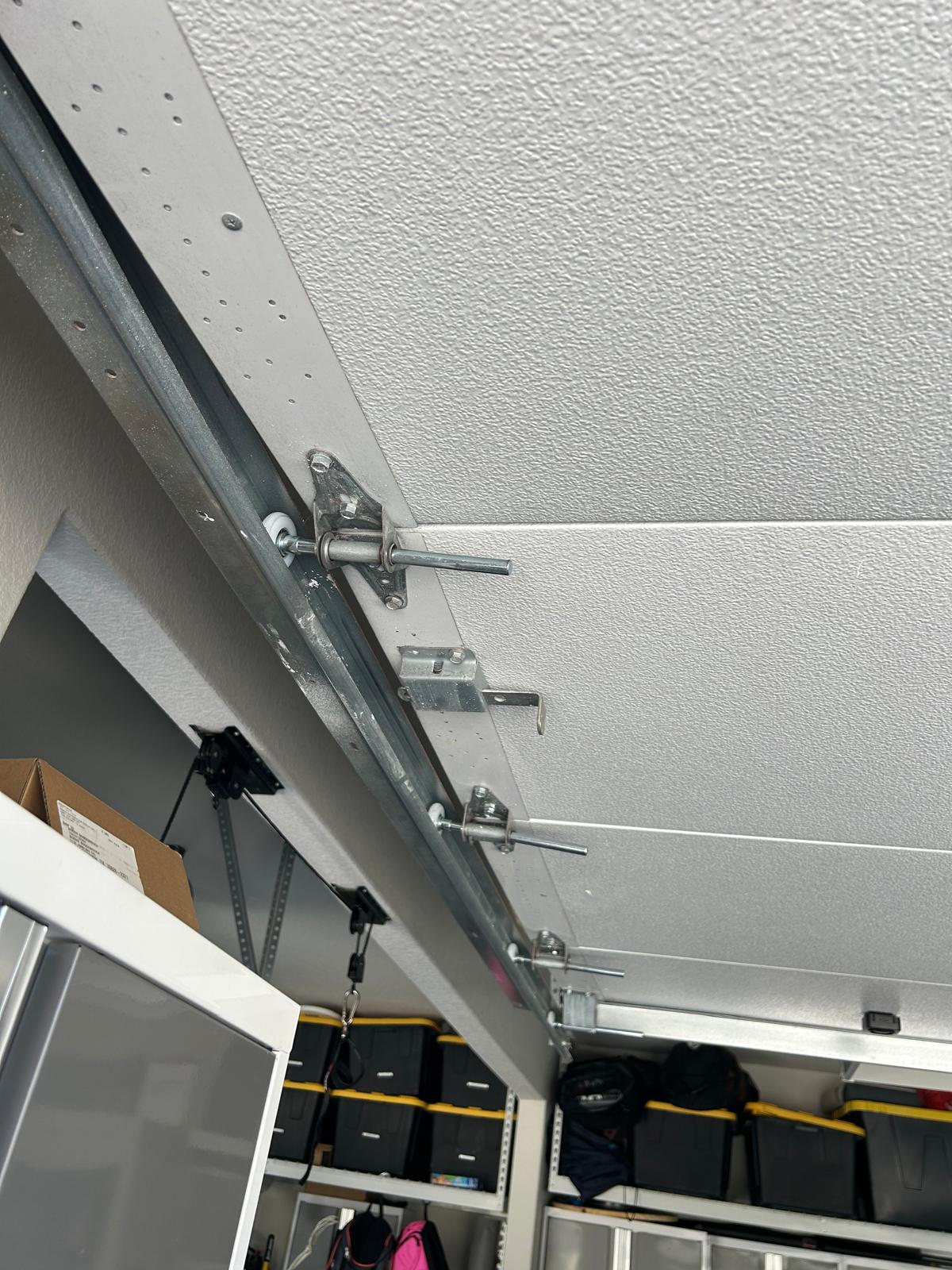
To understand why a high-quality coupling is necessary, you must analyze the mechanics of a wide garage lifting system. The overhead torsion shaft must transfer thousands of inch-pounds of rotational energy from the high-tensile springs directly to the aluminum cable drums spinning at the extreme left and right corners of the door. Over time, an uncoupled or poorly joined long steel shaft will experience a physical phenomenon known as torsional deflection—where the metal rod subtly twists and bows under load. This microscopic flexing causes the left and right cable drums to fall out of perfect synchronization, shifting more physical weight onto one side and straining your automatic opener system.
Preventing Cable Jump Disasters and Violent Panel Binding
When the left and right lifting cables wind onto their respective drums at slightly different rates due to a misaligned or loose shaft, the consequences are immediate and dangerous. As the door ascends, one side rises faster than the other, causing the heavy steel panels to twist diagonally within the tracking channels. This sudden asymmetrical movement jams the rolling wheels tightly into the vertical rails. In a worst-case scenario, the slackened cable on the lower side will jump completely out of its grooved aluminum drum channel, unraveling violently and causing the heavy door to drop sideways in a frozen, hazardous state that completely blocks your home's main threshold.
The Engineering Superiority of Keyed Solid-Steel Couplings
Standard builders-grade doors often bypass a true structural connection entirely, or they utilize cheap, unkeyed compression sleeves that rely solely on basic set-screws friction to clamp the shaft together. Under the stress of daily high-traffic operation, these set-screws inevitably slip, throwing the door out of balance. Premium replacement hardware packages replace these fragile joints with heavy-duty, solid-steel adjustable couplings featuring internal keys and keyways. The mechanical key forms an immutable, interlocking physical bond between the two halves of the shaft, completely eliminating the risk of internal slippage and ensuring that both lifting drums rotate with absolute, synchronized precision.
Precision Levelling with Independent Fine-Tune Adjustability
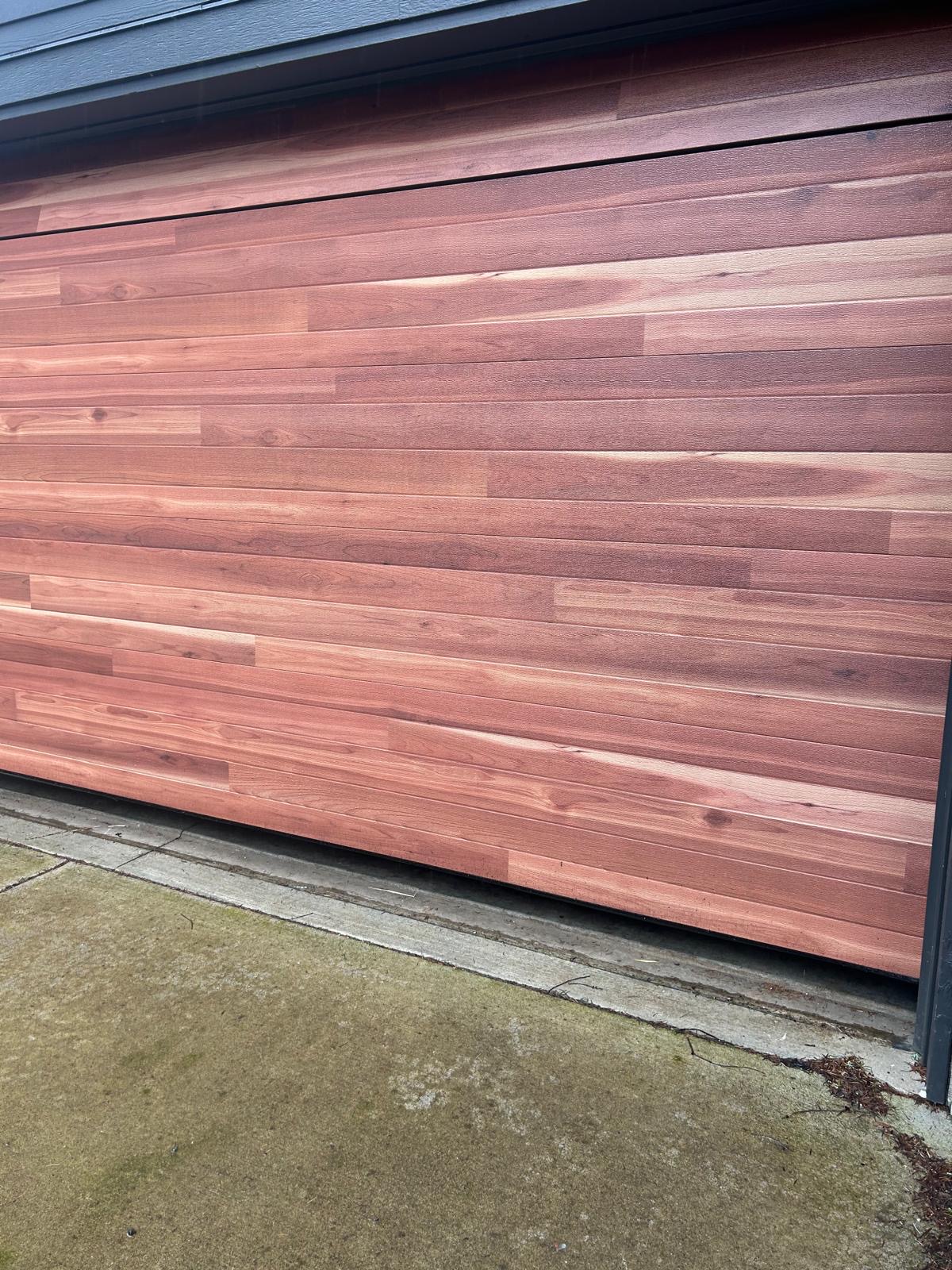
The standout mechanical feature of an industrial-grade torsion shaft coupling is its independent fine-tune adjustability. During the initial installation or a comprehensive maintenance overhaul, a technician must ensure that the bottom edge of the garage door sits completely flush against the concrete floor slab to seal out driving rain, regional humidity, and outdoor drafts. An adjustable coupling allows the installation team to lock down one side of the torsion system while subtly rotating the opposite shaft section by fractions of a millimeter. This meticulous calibration perfectly levels the door panel, distributing the mechanical workload evenly across both overhead springs.
Professional Multi-Point Counter-Balance Optimization Protocols
Because the overhead torsion shaft and its accompanying springs are wound under lethal amounts of mechanical tension, attempting to service, tighten, or adjust a shaft coupling as a DIY weekend project is incredibly dangerous. A single misstep with standard hand tools can cause the assembly to spin out of control with explosive structural force. A certified professional technician handles this critical alignment by utilizing specialized steel winding bars and digital transit levels to isolate the spring forces safely. Investing in a professionally calibrated, heavy-duty coupling protects your automated opener motor from strain and keeps your family's largest moving wall running safely and silently for decades.