The Critical Warning Signs of a Failing Garage Door Torsion Spring
The Telltale Heavy Door Test
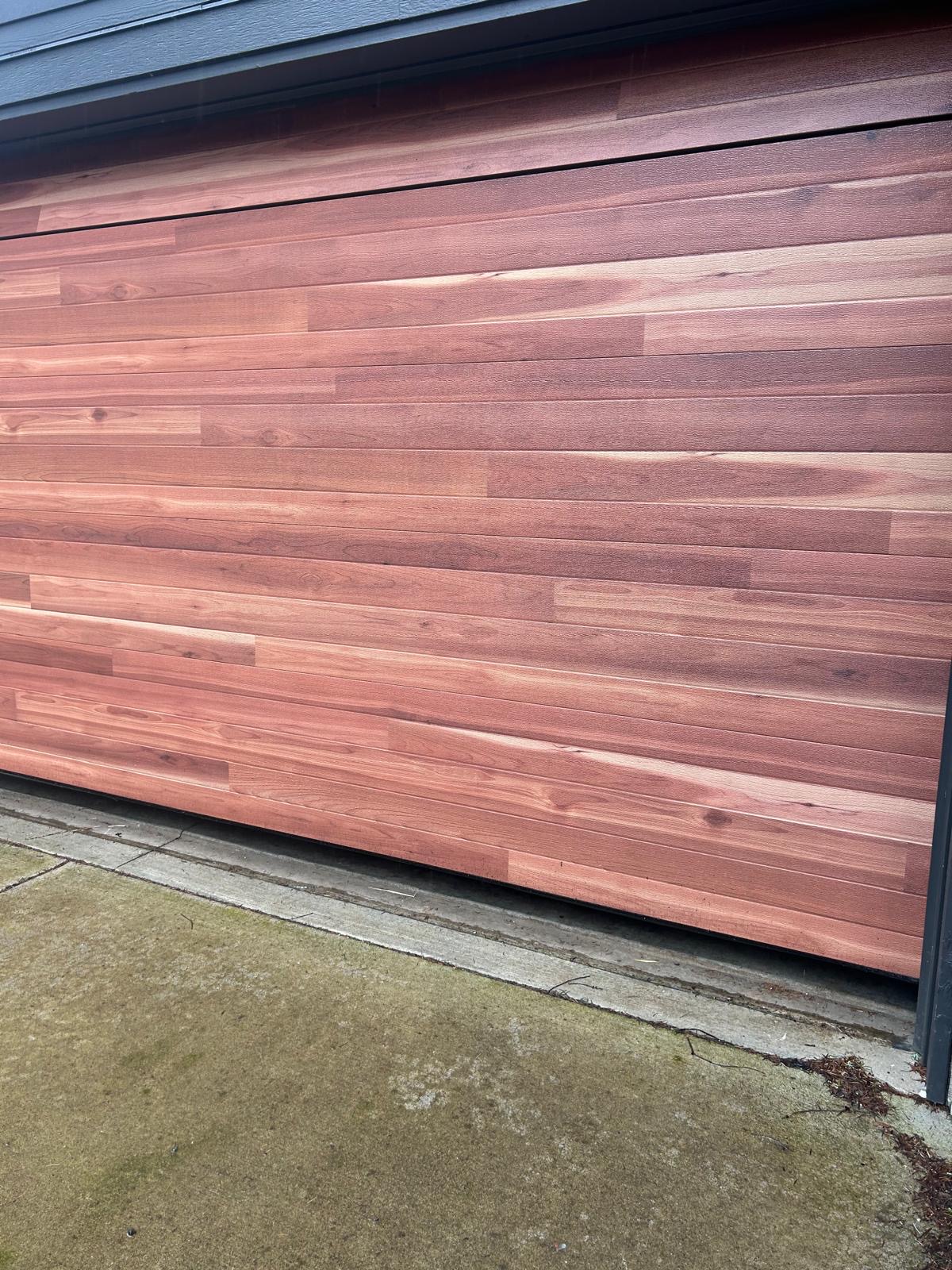
When a torsion spring begins to lose its structural integrity and structural elasticity, it can no longer support the weight of the garage door effectively. You can easily diagnose this by pulling the emergency release cord while the door is closed and attempting to lift the door manually. A perfectly balanced garage door with a healthy spring should open smoothly with minimal effort and remain stationary when left halfway up. If the door feels impossibly heavy, slips back down immediately, or crashes toward the floor, the spring is failing to provide adequate counterbalance and is nearing the end of its functional life.
Visual Clues: Gaps, Separation, and Corrosion
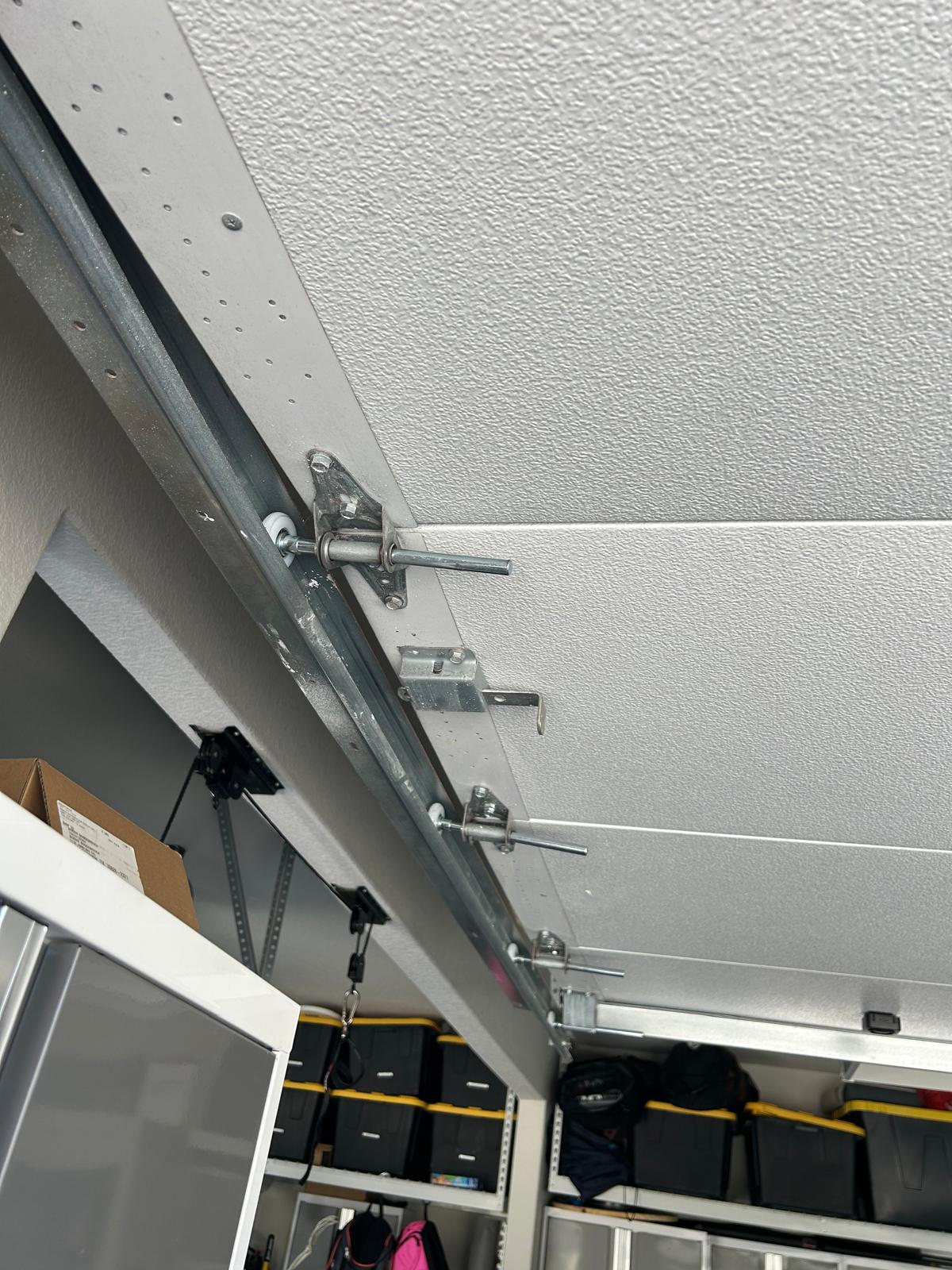
A physical inspection of the torsion bar above your garage door can reveal immediate red flags. When a spring breaks, it unwinds violently, leaving a visible gap of two to three inches between the fractured coils. However, prior to a total break, you may notice the coils beginning to distort or showing heavy signs of rust and surface corrosion. Rust binds the coils together, creating friction during operation that rapidly accelerates metal fatigue. If you see a physical separation in the wire mesh or a significant layer of rust on the spring assembly, it is a clear indicator that the metal has been compromised.
Squeaking, Grinding, and Irregular Movement
While a noisy garage door is often attributed to worn rollers or unlubricated hinges, a failing torsion spring produces distinct acoustic warning signs. As the steel weakens under load, it can produce a loud, strained squeaking or popping sound during the initial phase of the lifting cycle. Additionally, a fatiguing spring may cause the door to move erratically, jerky, or crookedly within the metal tracks. This happens because the uneven distribution of torque forces the opener to pull harder on one side, which can cause the door to bind or trigger the opener’s internal safety sensors, stopping the door mid-cycle.
The Violent Impact of a Sudden Break
If a torsion spring is left to wear out completely, it will eventually snap under tension, usually while the door is completely closed or in motion. A breaking spring releases all its stored energy in a split second, producing a loud, explosive bang that many homeowners mistake for a gunshot or a car crash inside the garage. If you hear this sound, do not attempt to activate the automatic opener. Forcing the electric motor to lift a heavy, unassisted garage door can instantly burn out the opener’s drive gears and strip the trolley system, turning a single repair into a massive overhaul.
Why Torsion Spring Replacement Requires Professional Care
Unlike minor maintenance tasks like lubricating track rollers or programming a wireless keypad, replacing a garage door torsion spring is inherently dangerous. The high-tension winding bars and brackets can inflict severe physical injury if handled without specialized tools and professional training. Properly calibrating the replacement spring requires matching the exact wire gauge, inside diameter, and length to the physical weight of your door. Relying on expert technicians ensures the system is safely wound, perfectly balanced, and restored to flawless operation without putting your home at risk.